
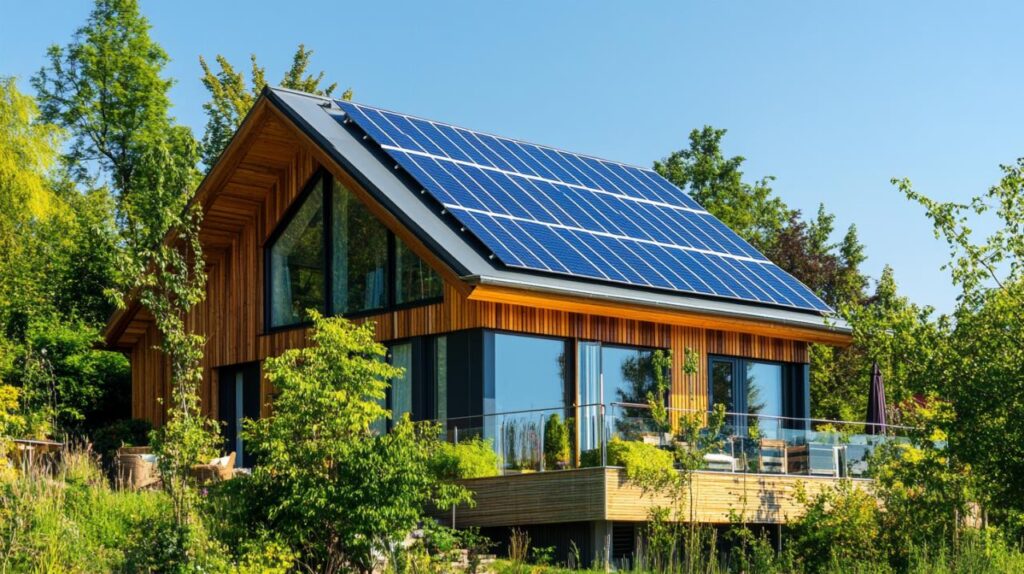
Harnessing the power of the sun for your home has evolved significantly beyond simply installing panels on the roof and hoping for the best. Modern solar solutions, particularly those offered by Mon Kit Solaire, focus on maximising self-consumption, meaning you use the electricity you generate rather than exporting it all back to the grid. This approach not only reduces your reliance on traditional energy suppliers but also provides greater control over your household running costs and contributes meaningfully to a more sustainable lifestyle. The journey towards energy independence involves a combination of smart technology, strategic planning, and a willingness to adapt your energy habits to align with the sun's natural cycle.
Smart energy storage solutions for maximum self-sufficiency
One of the most transformative elements in modern solar setups is the integration of battery storage. Without a battery, solar energy generated during the day when you might not be home is often sent back to the grid, sometimes for minimal financial return. Installing a battery system allows you to store this surplus energy for use during the evening or periods of low sunlight, significantly increasing your self-consumption rate. Advanced lithium battery technology, such as the LiFePO4 batteries commonly found in kits, offers excellent cycle life and reliability. A typical residential configuration might include a 5.12 kWh lithium battery paired with a hybrid inverter, creating a buffer that captures excess solar production and releases it when your household demand rises, such as when cooking dinner or running appliances in the evening.
Battery technology advancements for your property
The evolution of battery chemistry has made energy storage more accessible and efficient for homeowners. Lithium iron phosphate batteries, for instance, are known for their stability and longevity compared to older lead-acid alternatives. These batteries integrate seamlessly with hybrid inverters, which manage the flow of electricity between your solar panels, the battery, and the grid. The inverter ensures that solar energy is used first to meet immediate consumption needs, then charges the battery, and only exports any remaining surplus. This intelligent management means that a property equipped with a 5 kW hybrid inverter and a corresponding battery can achieve a much higher degree of energy independence, reducing the need to draw power from the grid during peak tariff periods.
Optimising storage capacity to match your household consumption
Selecting the right storage capacity is crucial for maximising the return on your solar investment. A smaller battery might fill quickly on a sunny day but leave you short during longer evenings, whilst an oversized battery could represent unnecessary expense. Assessing your typical energy usage patterns, particularly during non-solar hours, helps determine the optimal battery size. For many households, a 5 kWh battery strikes a good balance, providing enough capacity to cover essential evening consumption without excessive cost. Some systems are designed to be scalable, allowing you to add additional battery modules as your energy needs grow or as you become more confident in your self-consumption strategy. This flexibility ensures that your solar kit can adapt to changing circumstances, such as the addition of an electric vehicle or new appliances.
Intelligent energy management systems for enhanced efficiency
Modern solar installations benefit enormously from intelligent energy management systems that provide real-time insights into your energy production and consumption. These systems use software and monitoring devices to track how much electricity your solar panels are generating, how much your household is using, and how much energy is being stored or exported. By understanding these dynamics, you can make informed decisions about when to run high-consumption appliances, ultimately boosting your self-consumption rate. Smart energy management goes beyond simple monitoring; it enables automated load scheduling, where appliances are switched on during periods of peak solar generation. This means your washing machine or dishwasher can run automatically when the sun is shining, rather than drawing power from the grid or battery in the evening.
Real-time monitoring and automated load scheduling
Access to real-time data transforms how you interact with your energy system. Many solar kits now include Wi-Fi-enabled meters or dedicated apps that display live production and consumption figures. Seeing the immediate impact of switching on a kettle or tumble dryer helps you understand your energy footprint and identify opportunities to shift usage. Automated scheduling takes this a step further, allowing you to set timers or smart plugs that activate devices when solar production is high. For instance, you could programme your water heater to heat during midday rather than early morning, capturing abundant solar energy and reducing reliance on stored battery power. This approach not only improves energy efficiency but also extends the payback period of your solar installation by ensuring every kilowatt hour produced is used effectively.
Integration with Home Appliances for Optimal Usage Patterns
The integration of smart home technology with solar systems creates a seamless experience where appliances respond to available renewable energy. Smart plugs can be controlled remotely or programmed to activate when solar production exceeds a certain threshold. This means appliances such as dishwashers, washing machines, and even electric vehicle chargers can operate primarily on solar power. Water heaters, which typically account for a significant portion of household energy consumption, become particularly attractive targets for load-shifting. By heating water during the sunniest part of the day, you can reduce energy costs substantially, with some estimates suggesting savings of up to fifty to eighty per cent on water heating bills. This kind of intelligent integration supports a broader commitment to sustainability whilst delivering tangible financial benefits.
Solar panel positioning and configuration strategies
The physical placement and configuration of your solar panels play a fundamental role in determining how much energy you can generate and ultimately self-consume. Even the most advanced battery and management systems cannot compensate for poorly positioned panels that receive inadequate sunlight. Strategic placement involves assessing the orientation of your property, identifying potential shading from trees or neighbouring buildings, and selecting the optimal angle for your panels. In the UK, south-facing installations generally yield the highest annual production, though east and west orientations can also be effective, particularly if you can stagger panel angles to capture morning and afternoon sun. The goal is to maximise the number of hours each day that your panels receive direct sunlight, thereby increasing the total kWh production over the year.
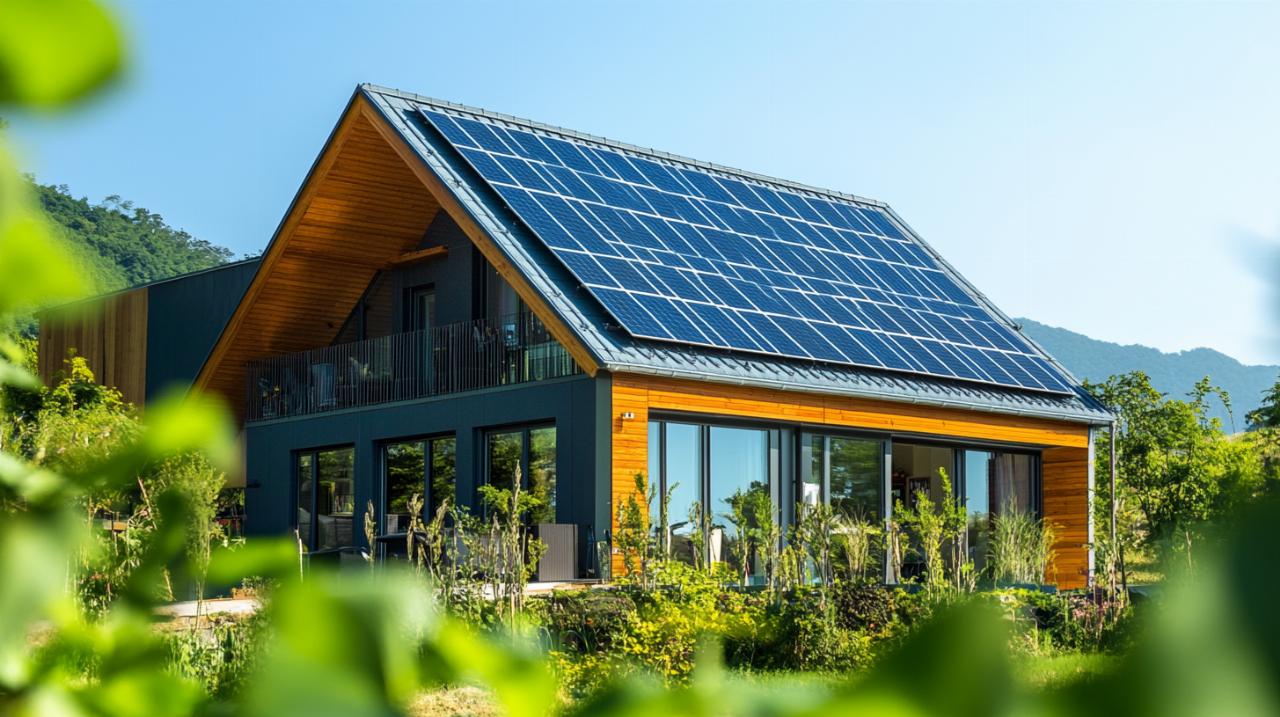
Maximising solar capture through strategic placement
Finding the best spot for your solar panels requires careful consideration of both immediate and long-term factors. Roofs are the most common location, but flat surfaces such as gardens or even balconies can be suitable for certain plug-and-play solar kits. The key is to ensure that panels are not shaded during peak sunlight hours, typically between ten in the morning and four in the afternoon. Even partial shading can significantly reduce the output of a panel, so trimming overhanging branches or repositioning panels to avoid shadows is worthwhile. Bifacial panels, which can capture sunlight on both sides, offer additional benefits by reflecting light from the ground or adjacent surfaces, potentially increasing output by five to thirty per cent. These panels are particularly effective when mounted slightly above ground level on reflective surfaces, such as gravel or light-coloured paving.
Seasonal adjustments and panel maintenance best practices
Whilst most solar panels are installed at a fixed angle, some systems allow for seasonal adjustments to optimise capture throughout the year. In winter, when the sun sits lower in the sky, a steeper angle can improve performance, whereas a flatter angle in summer captures more of the higher sun. Even if your system is fixed, regular maintenance ensures that panels continue to operate at peak efficiency. Dust, leaves, and bird droppings can accumulate on the surface, reducing light transmission and overall output. A gentle rinse with water a few times a year, particularly after pollen season or stormy weather, can maintain performance. Most modern panels are designed to be durable and require minimal intervention, with warranties often extending to twenty-five years or more, guaranteeing a high level of efficiency well into the future.
Heat Pump and Solar Synergy for Year-Round Comfort
Combining solar energy with a heat pump creates a highly efficient system for both heating and hot water, significantly reducing your reliance on fossil fuels and the national grid. Heat pumps work by extracting warmth from the air or ground and transferring it into your home, using electricity to power the process. When that electricity comes from your solar panels, the running costs drop dramatically. This synergy is particularly powerful in the context of self-consumption, as heat pumps can be programmed to operate during the day when solar generation is at its peak. By storing heat in well-insulated hot water tanks or underfloor heating systems, you can extend the benefits of daytime solar production into the evening, maintaining comfort without drawing significant power from the grid.
Combining photovoltaic systems with modern heating solutions
Integrating a heat pump with your photovoltaic system requires careful planning to ensure that the heat pump's electricity demand aligns with your solar production capacity. A typical domestic heat pump might draw between two and five kilowatts, depending on the size of your property and the outside temperature. Pairing this with a solar installation of similar or greater capacity, such as a 5.4 kWp system with twelve 450 Wp solar panels, ensures that the heat pump can run primarily on renewable energy. Hybrid inverters play a crucial role here, managing the flow of solar electricity to prioritise heat pump operation, charge the battery, and cover other household loads. This intelligent distribution maximises self-consumption and minimises the amount of electricity you need to import from the grid, leading to substantial savings on your energy bills.
Reducing grid dependency through integrated climate control
An integrated approach to climate control, combining solar panels, battery storage, and a heat pump, represents a comprehensive pathway to energy independence. By generating your own electricity and using it to heat your home and water, you reduce your carbon footprint and insulate yourself from fluctuating energy tariffs. In practical terms, this might mean that on a sunny winter's day, your solar panels generate enough power to run the heat pump, charge the battery, and meet other household demands, with minimal or no grid import. On cloudier days or during the evening, the battery provides stored solar energy to continue powering the heat pump, further reducing grid reliance. Over the course of a year, this integrated system can deliver significant kWh production and savings, with some households reporting annual savings in excess of one thousand pounds, depending on their location and energy usage patterns.
Electric vehicle charging and solar self-consumption
The rise of electric vehicles offers another compelling opportunity to boost solar self-consumption. Charging an EV from the grid, particularly during peak hours, can add significantly to your electricity bill. However, when you charge your vehicle using surplus solar energy, you effectively convert sunshine into miles, making your transport costs close to zero. Smart charging systems are designed to detect when your solar panels are generating excess power and automatically divert this energy to your vehicle's battery. This not only maximises the use of your renewable energy but also reduces the strain on the grid during peak demand periods. With the average EV requiring several kilowatt hours per charge, even modest solar installations can make a meaningful contribution to your vehicle's energy needs.
Utilising surplus solar energy for sustainable transport
Making the most of your solar energy for EV charging requires a shift in mindset, prioritising daytime charging over overnight top-ups. Many workplaces and public locations now offer charging facilities, but for those with home solar systems, charging during the day when the sun is shining is far more economical. A plug-and-play solar kit on a balcony or a larger rooftop installation can provide a steady stream of renewable energy during sunny periods, which can be directed to your EV. Studies suggest that smart charging schedules can reduce peak demand by seventeen to twenty-seven per cent whilst boosting midday energy loads by thirty-four per cent, illustrating the potential for solar-powered transport to contribute to grid stability. By aligning your charging habits with solar production, you maximise self-consumption and reduce the need for grid electricity, which is often generated from less sustainable sources.
Smart charging schedules to maximise renewable energy use
Smart charging technology allows you to set preferences and schedules that ensure your EV charges primarily from solar energy. Many modern EVs and home chargers include apps or built-in timers that can be programmed to start charging when your solar panels are producing surplus electricity. This might mean setting your car to charge between eleven in the morning and three in the afternoon on weekdays, when household consumption is typically lower and solar generation is at its peak. Some advanced energy management systems can even communicate between your solar inverter, battery, and EV charger, automatically prioritising charging when excess solar energy is available. This level of automation not only simplifies the process but also ensures that you make the most of every kilowatt hour your panels produce, reducing your overall carbon footprint and delivering long-term savings on both electricity and fuel costs.